Green Garden Organics
About · Established 1992 · Miami, Florida · Seven minutes, cover to close
Florida’s first urban organic wheatgrass farmer
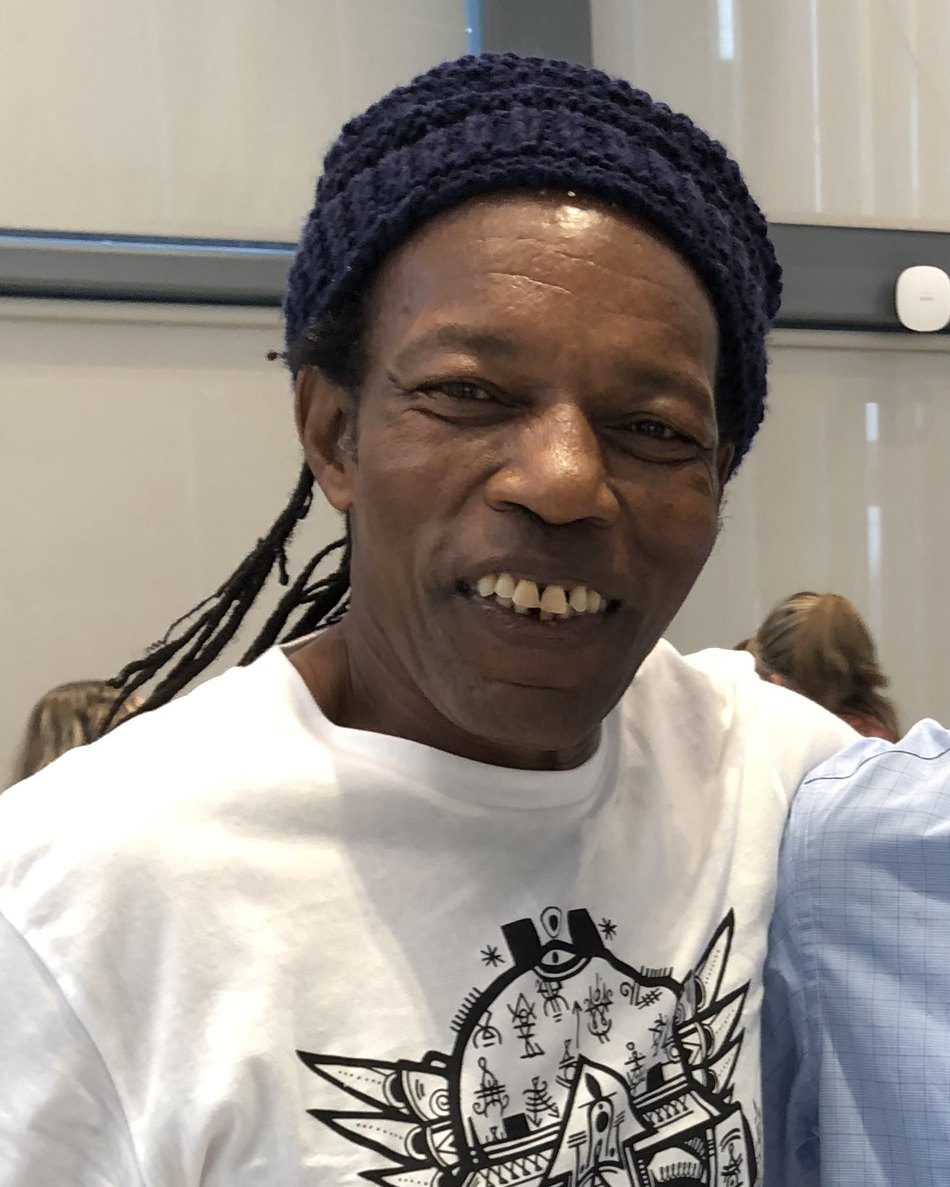
Lou Duncanson has been growing in Miami since the early eighties and running Green Garden Organics since 1992. Wheatgrass is where he started. Sunflower, pea and buckwheat greens came right behind it, years before anybody settled on the word microgreens. Ten thousand people have his soil recipe. Not one of them grows like he does.
Replace this headline block with GG-SINCE-1992.png, the finished lockup already in the media library at 1776×1334. Type is standing in for it.
- Growing since the early eighties
- Licensed nutritionist Florida, 30 years
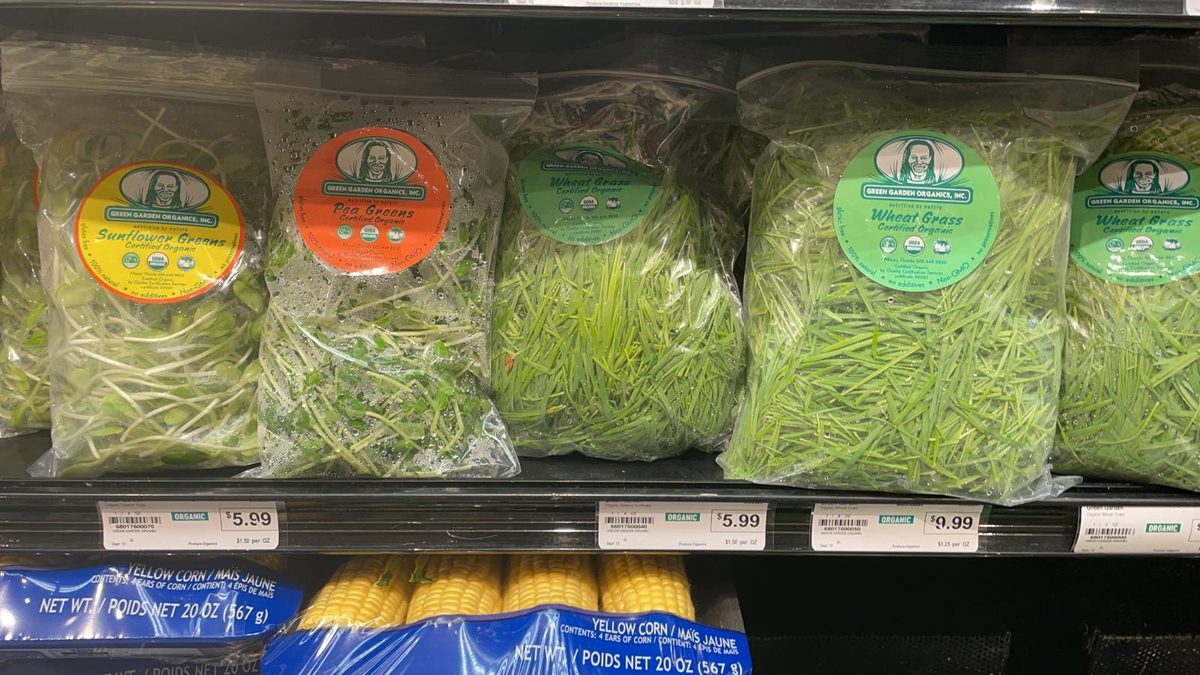
- Supplied Whole Foods, Fresh Market, Milam’s
- Featured in Miami New Times, Eater Miami
Coconut Grove, early eighties
The brown paper bag
A gentleman walked in from the market holding a brown paper bag and told Lou he had some grass.
Grass. Come on now. That’s illegal, man.
He said no, no. Wheatgrass. He opened the bag and showed him, and told him you grind it and you drink it. That was the introduction, in the early eighties, at a house in Coconut Grove over on Jefferson and cross street spelling.
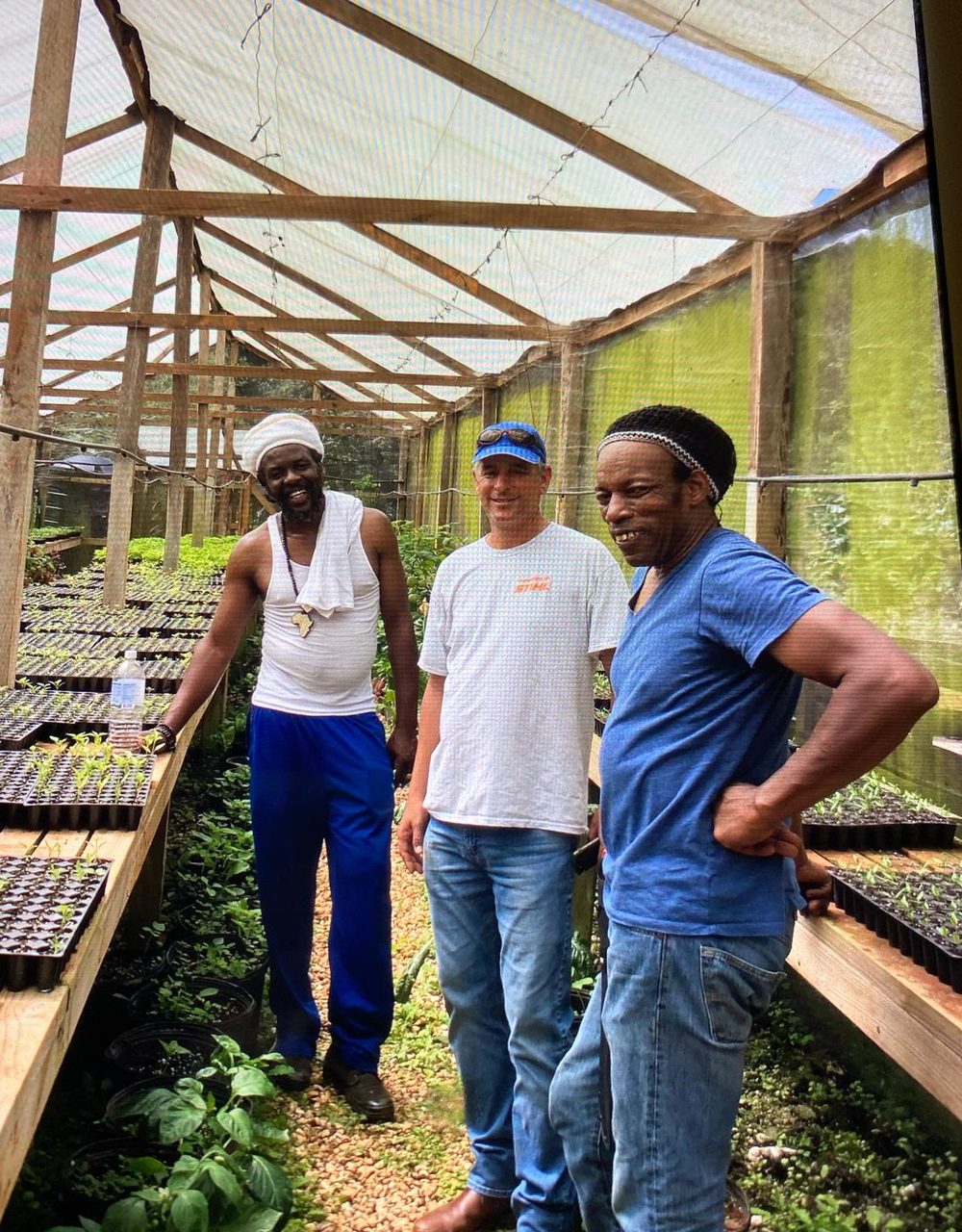
The first three trays came up on a screened porch at the head of the pool. Screen and cedar wood, two doors, shelves inside. The pool had a rock wall and the plants sat in shade until afternoon, which is exactly what wheatgrass wants, because serious afternoon sun will burn it.
It was delightful.
Lou Duncanson
Then wheatgrass moved in and out of his life for a stretch.
The lineage
It was in the family already
A grandmother who grew in the Dominican Republic. A father who moved from Jamaica to Nassau and ran the largest farm in the Bahamas.
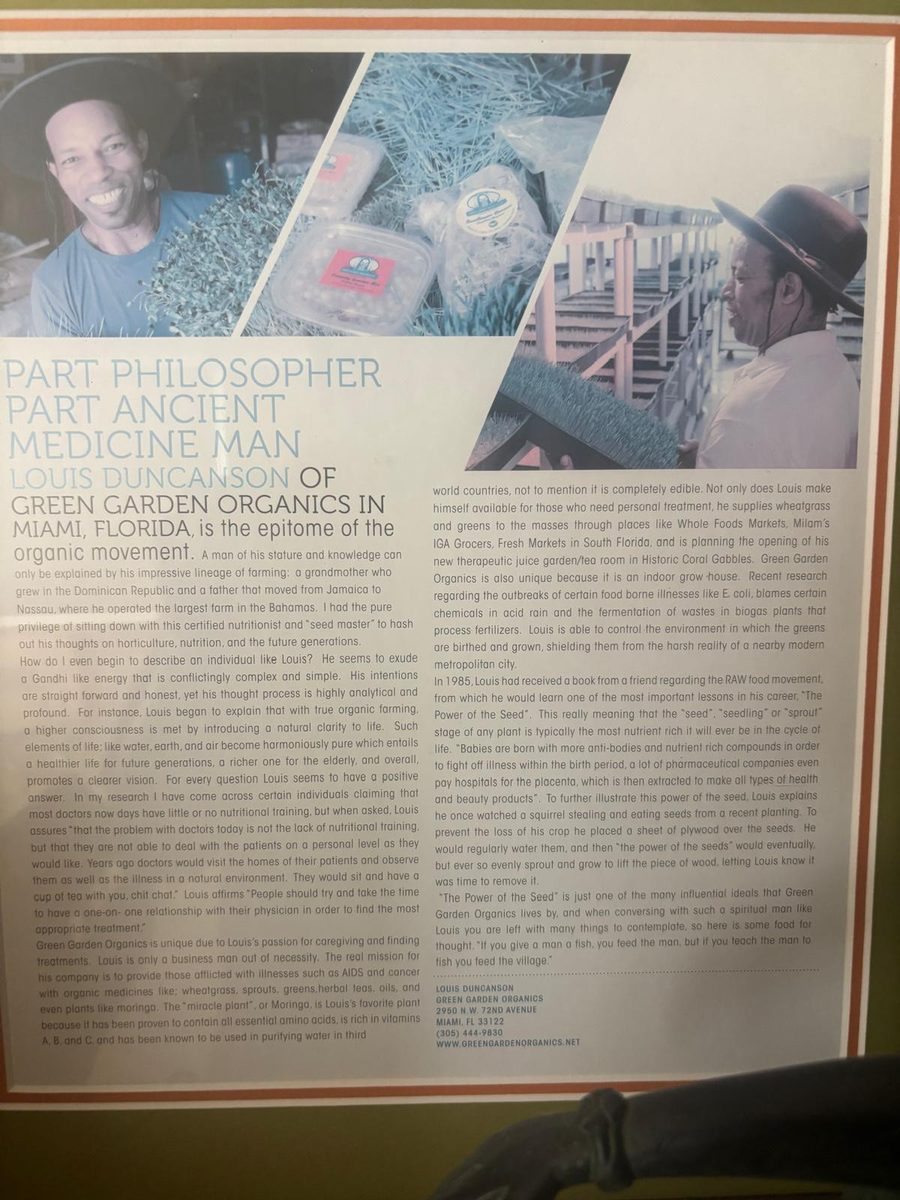
So the hands were not an accident. Neither was the eye. A profile written about him years later called him a certified nutritionist and a seed master, and said he was the epitome of the organic movement. It ran under the headline Part Philosopher, Part Ancient Medicine Man, and it is where most of what follows was first written down.
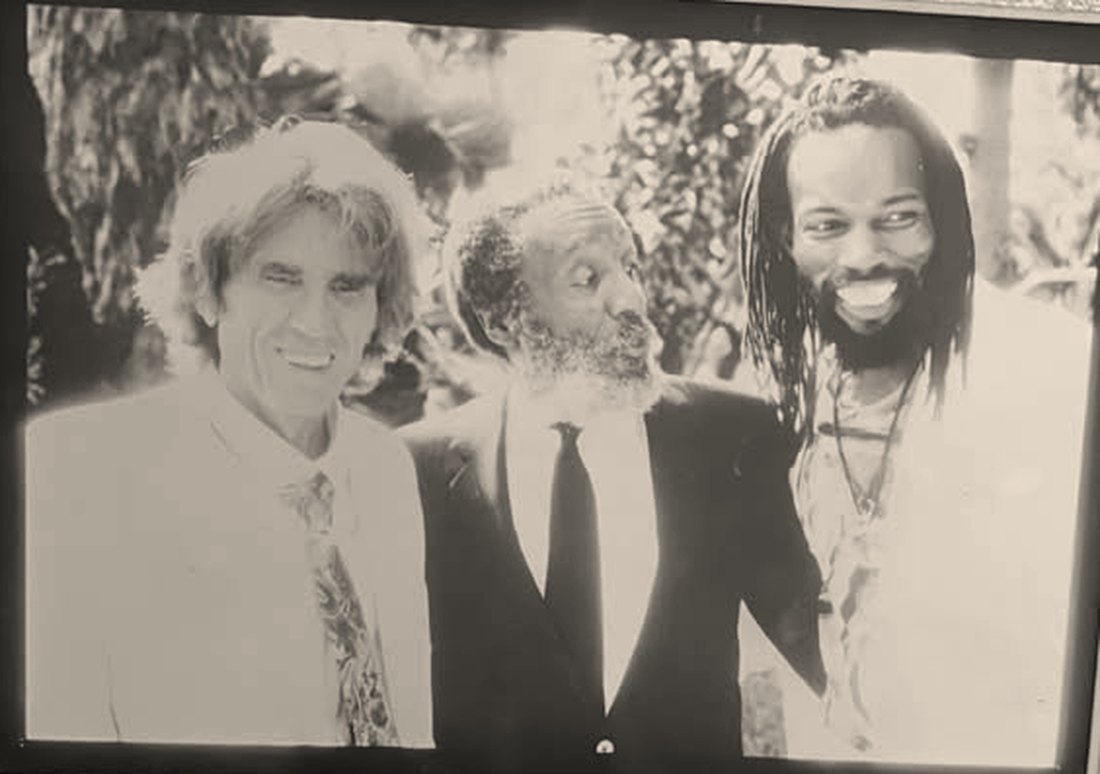
By 1991 he was standing between Viktoras Kulvinskas, who wrote the book that built the raw food movement, and Dick Gregory.
If you give a man a fish, you feed the man. If you teach the man to fish, you feed the village.
Lou, quoted in publication name and date needed
Before the business
The pound that started it
A friend bought fifteen acres on the Big Island and wanted Lou out there with him. Plant, live the life of an island man. friend’s name
Lou had a vehicle accident before the trip. Instead of Hawaii he spent a while in the hospital.
His friend left him a book, a wheatgrass grinder, one pound of wheatgrass and a big bottle of Hawaiian spirulina. book title, and was the pound seed or cut grass
That pound is the reason Lou still gives a person their first pound free.
On the naming
Nobody called them microgreens yet
Wheatgrass is where he started. It is not all he grew.
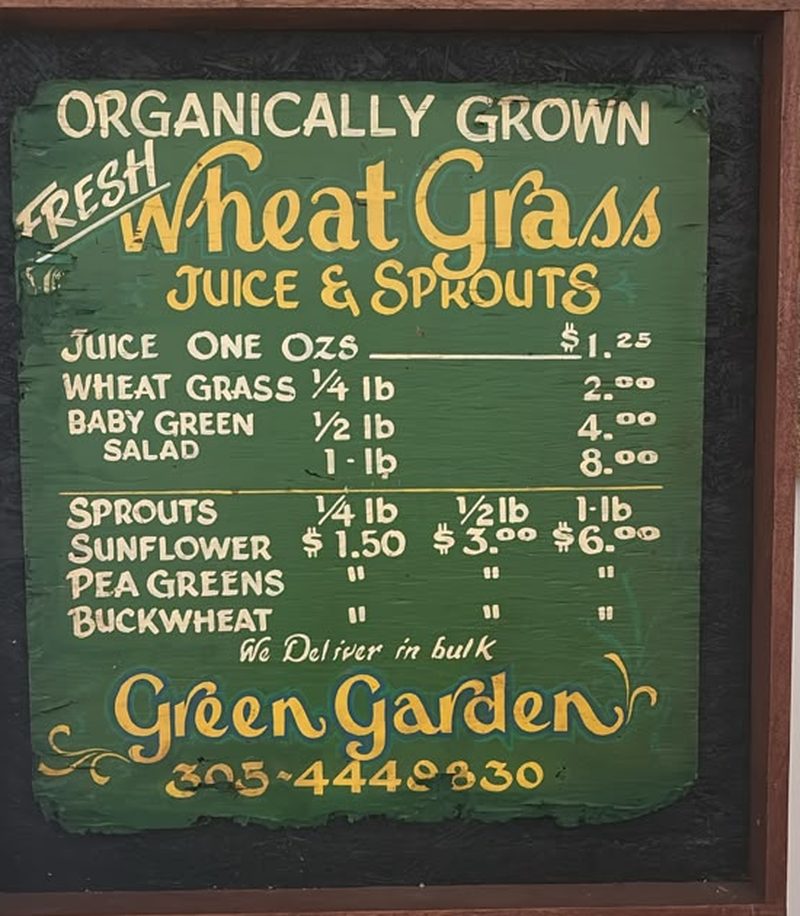
Look at the board he painted for the front of the shop. Wheatgrass and juice at the top, yes. Underneath it: baby green salad, sunflower, pea greens, buckwheat, sold by the quarter pound, the half pound and the pound.
Those are microgreens. The board dates to about 1993. Andrew’s estimate. Confirm the year with Lou.
Hold that date next to the naming stories, because the naming is genuinely unresolved. One version puts microgreens on San Francisco menus in the early eighties and traces back to a single unnamed industry source. The other puts it in Virginia in 1992 or 1993, at the Clifton Inn outside Charlottesville, where a chef kept asking a grower for smaller lettuce and a food writer finally asked what was on her plate. The two men involved remember it differently. Nobody has established who named them.
The same year a writer in Virginia was asking what to call them, Lou had them painted on a board in Miami with prices next to them.
And he had been growing them for years before that. The board is not the start. It is just the oldest piece of plywood that puts a date on it.
Going commercial
Every health food store in Miami
He met people growing wheatgrass in soil, in the Japanese style, on the ground rather than in trays. When they left town he kept working the ground with friends. The friends went on their own journeys one by one. Lou stood.
He incorporated. He kept adding plots around the house. About three years later the Miami Herald ran a Thursday piece on growing your own greens, English and Spanish, and by then Green Garden was supplying health food stores. All of them in Miami at the time. Broward too, and Palm Beach, with two or three days a week on the road up to Palm Beach Gardens. year of the Herald piece
Later came the bigger accounts. Whole Foods, The Fresh Market, Milam’s.
The Record
- Founded
- Green Garden Organics, Inc. Miami, 1992.
- Licence
- Louis Duncanson, licensed nutritionist, State of Florida, #NC489.
- Grown
- Wheatgrass and barleygrass, plus sunflower, pea and buckwheat greens, sprouts and salad greens. The last group is what the trade later named microgreens.
- Sold into
- Whole Foods Market, The Fresh Market, Milam’s Markets and independent health food stores across Miami-Dade, Broward and Palm Beach.
- Press
- Miami Herald, Miami New Times, Eater Miami. dates to confirm
After Hurricane Andrew
Going indoors
A friend up in New York told him for at least a decade to go indoors. who was he
Lou should have listened after Hurricane Andrew. He didn’t. He loved the sun, loved that energy, and he was growing wheatgrass outside, which is close to impossible in South Florida today.
Then a few things happened and indoors stopped being a choice. what happened, in one or two lines
Wheatgrass has a special affinity for soil. So going indoors meant building the soil himself, and building everything else the plant needed, out of what twenty years outside had taught him. That is the work that ended in a vertical farm in Doral. confirm Doral
We did the whole circle.
Lou Duncanson
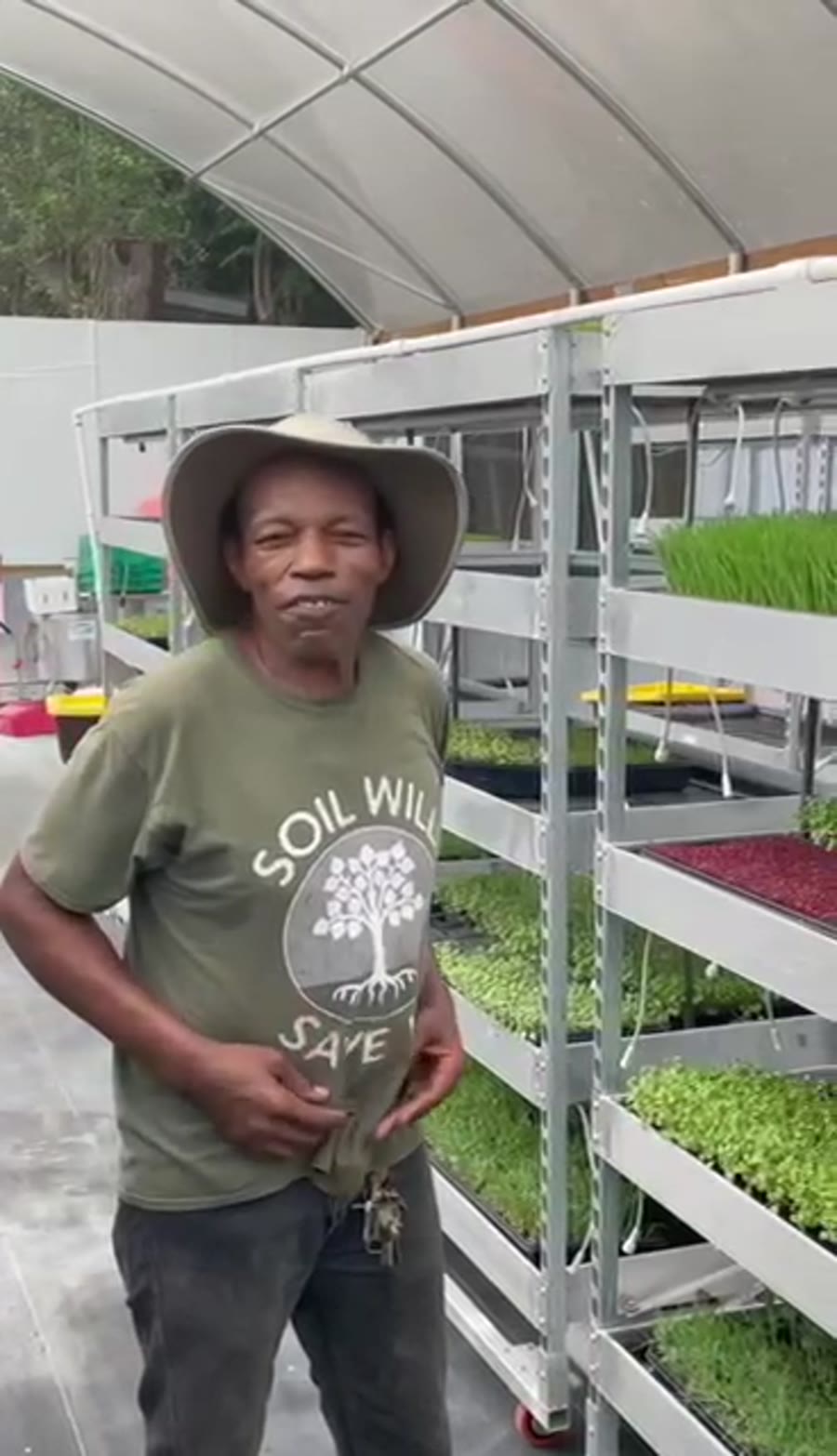
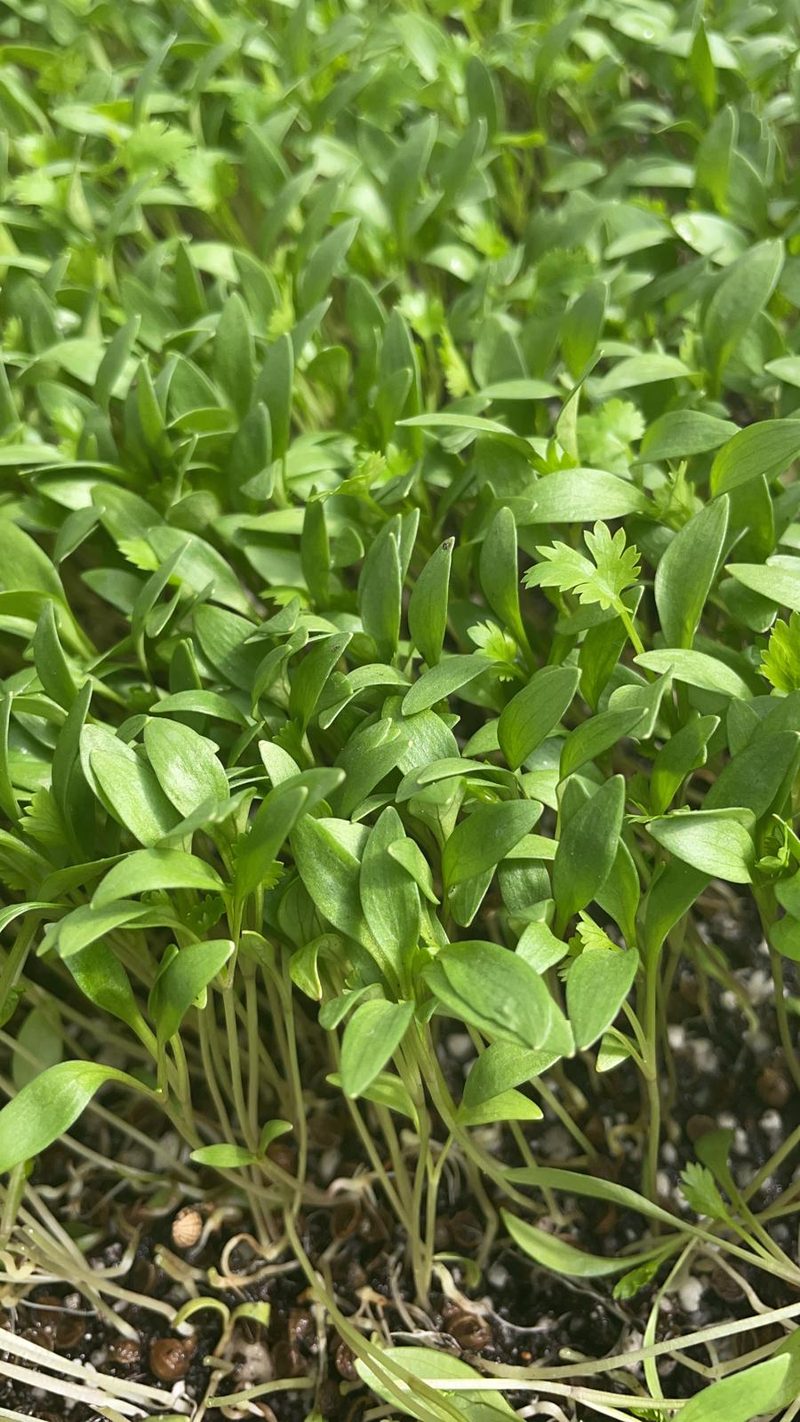
Left image is a frame grab from a phone video at 640×368. It will not hold at this size on a retina screen. Replace from the Authority Amplifier shoot.
The cold chain
Why he teaches now
Running a commercial operation taught him the part almost nobody teaches. Cut the grass. Into refrigeration. Out of refrigeration onto a refrigerated truck. Truck to every store. Into the store’s refrigeration. Then the shelf.
You have to hold that chain cold to put out a product that lasts. shelf life: two to three weeks or twenty-one days, and does the clock start at the cut or at the store
You follow the procedures. You learn to build processes and certify them for your own operation. Do that and you get healthy wheatgrass that is safe to sell.
I want to make the way easier for the small family businesses. Small business is needed now more than ever.
Lou Duncanson
The partnership
Miami, May 2023
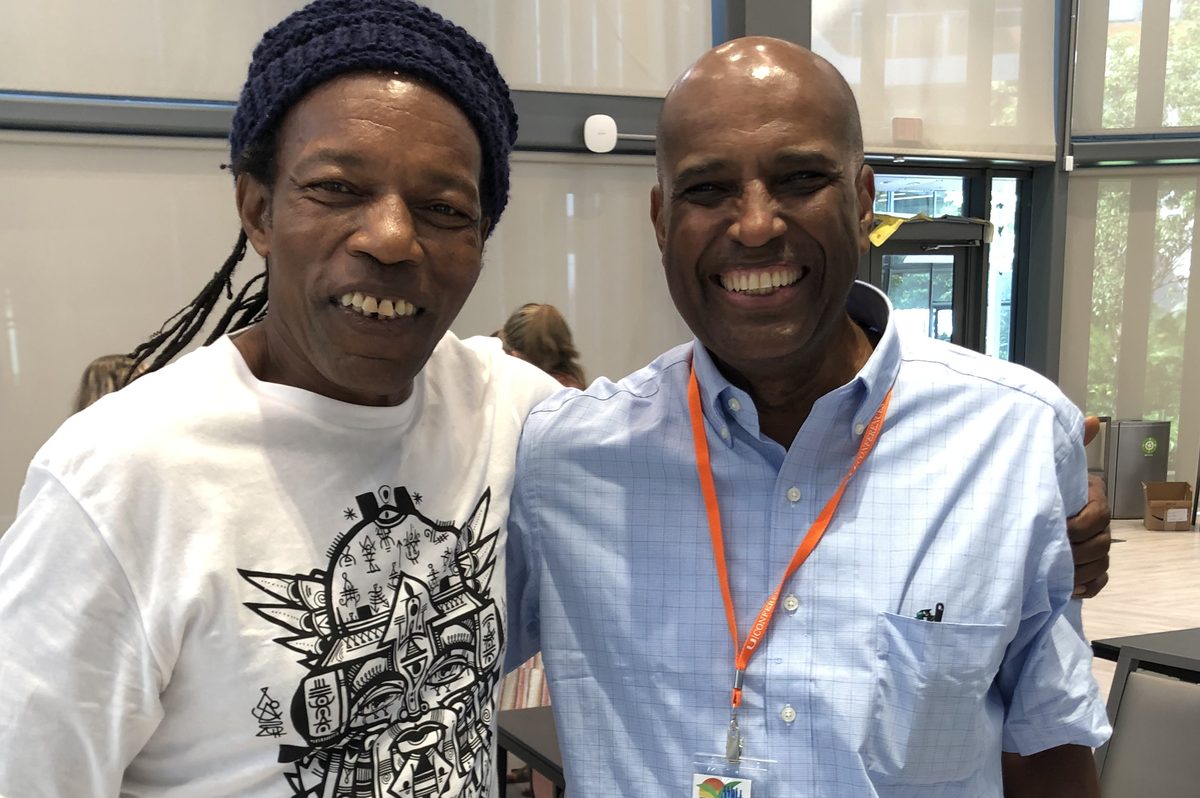
The International Sprout Growers Association held its convention in Miami that spring. Lou was there. So was D. Andrew Neves of Microgreens World, who had come to speak about microgreens. confirm the exact event name and year. Photo is dated 24 May 2023.
They kept talking after it ended. And they’re still talking after three years.
Now they are in business together, and the plan is not complicated. Get what Lou knows out of his head and written down properly, then put it in front of the growers who need it. Forty years of answers that have never left Miami.
That is what the guides are for. Microgreens taken up a level by a man who was growing them before anybody had settled on what to call them.
Notice
Start where most growers lose their first trays
The No-Soak Method is Lou’s ten rules for growing microgreens and wheatgrass without mold. Five pages. No filler.
If it doesn’t help, say so and you get your money back.
Nothing on this page is medical advice, and nothing here is intended to diagnose, treat, cure or prevent any disease.